Inconsistent Use
AI used primarily for autocomplete and scattered prompts.
Move from experimenting with AI to engineering with it every day.

We assess:
How software moves from requirement to production, identifying bottlenecks suitable for AI automation.
How engineers currently use AI — and where they do not, mapping the baseline capabilities of your team.
Evaluation of Codex, Claude, coding assistants, IDEs, CI/CD pipelines, and internal debugging tooling.
Where the team is strong, where support is needed, and where AI can create immediate capacity leverage.
Security, architecture, compliance, approval, and enterprise governance requirements.
From current state to AI-native engineering — built around your real systems, people, and priorities.
AI used primarily for autocomplete and scattered prompts.
Setting up base licensing, models, and shared usage guidelines.
Integrating AI directly into daily requirements, coding, and CI/CD loops.
AI plans, acts, tests, verifies and improves autonomously.
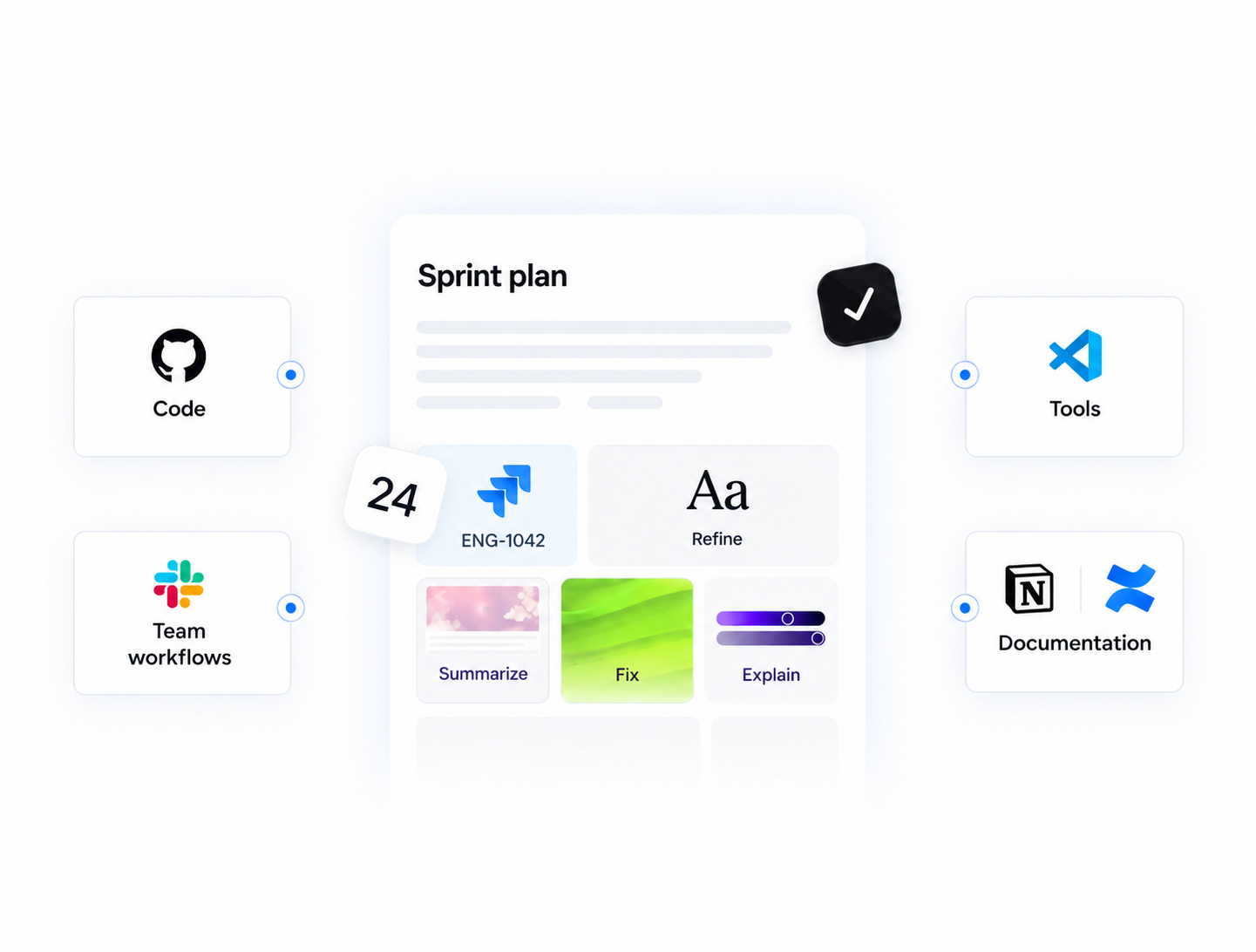

Agents take on repeatable development work so your engineers can deliver more without adding headcount.
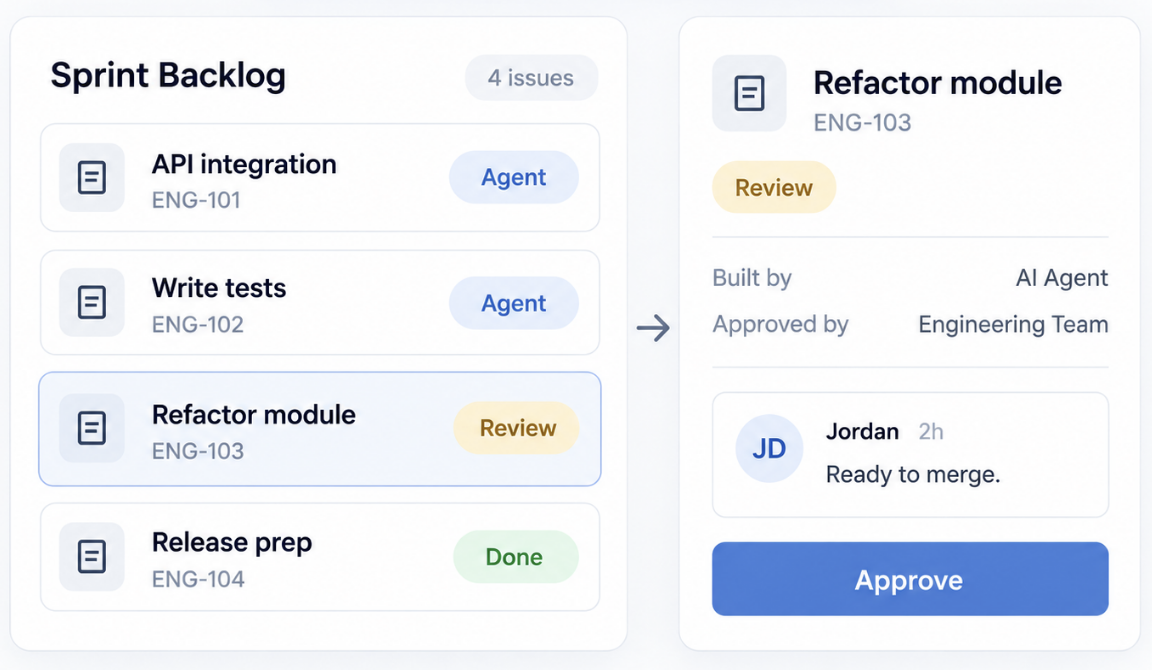
Fewer engineering hours spent correcting avoidable mistakes.
Engineers learn to use agents to understand legacy code, refactor components, and update dependencies through controlled, incremental changes.
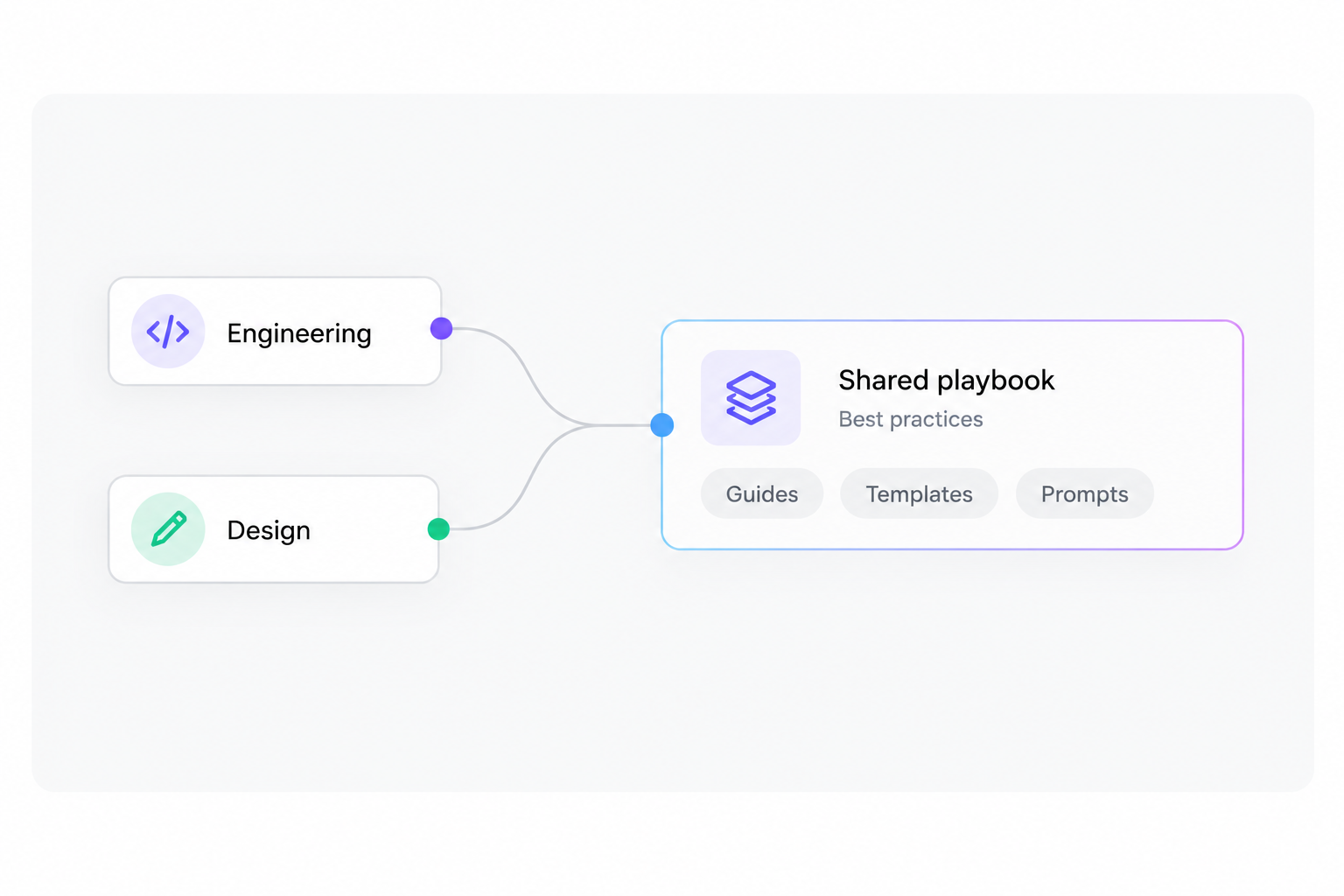
Your engineers turn effective agent workflows, project knowledge, and working practices into shared resources that others can apply across projects.

You set the AI budget. Your engineers learn to deliver within it using approved models and tools.
Your team learns to automate release preparation, documentation, and routine handoffs, with human approval where it matters.
After the training sessions, our specialists continue working embedded with your team as co-engineers while the new development standards and systems are actively introduced.

We set up your AI models, tools, and development environments, then build practical workflows alongside your engineers.

We connect planning, coding, testing, review, and fixes into repeatable loops—with built-in quality, security, and compliance checks.
We stay embedded as your teams ship, resolve issues, and turn proven workflows into shared engineering standards.
Build a governed agentic delivery model around your products, teams, and enterprise standards.